Vietnam with Kids Tips for a Stress-Free Round Trip
Practical tips, best travel time, and everything you need to know
Vietnam with kids may not be the first destination you think of… but it’s actually a very special and surprisingly easy country to travel through. During a round trip through Vietnam with children, you’ll discover a country full of contrasts: from chaotic cities and rice fields to peaceful beaches and impressive nature. In this blog, I share practical Vietnam with kids tips, our own experiences, and everything you need to know before planning your trip.
🌞 Search & Book Your Family Holiday to Vietnam
✅ Family-friendly hotels, apartments & resorts
💙 Book directly with Booking.com – trusted & easy
Best Travel Time Vietnam with Kids
The best time to visit Vietnam with kids strongly depends on the region you’re traveling to, as the country is long and narrow and the climate varies a lot between the north, central, and south.
Northern Vietnam
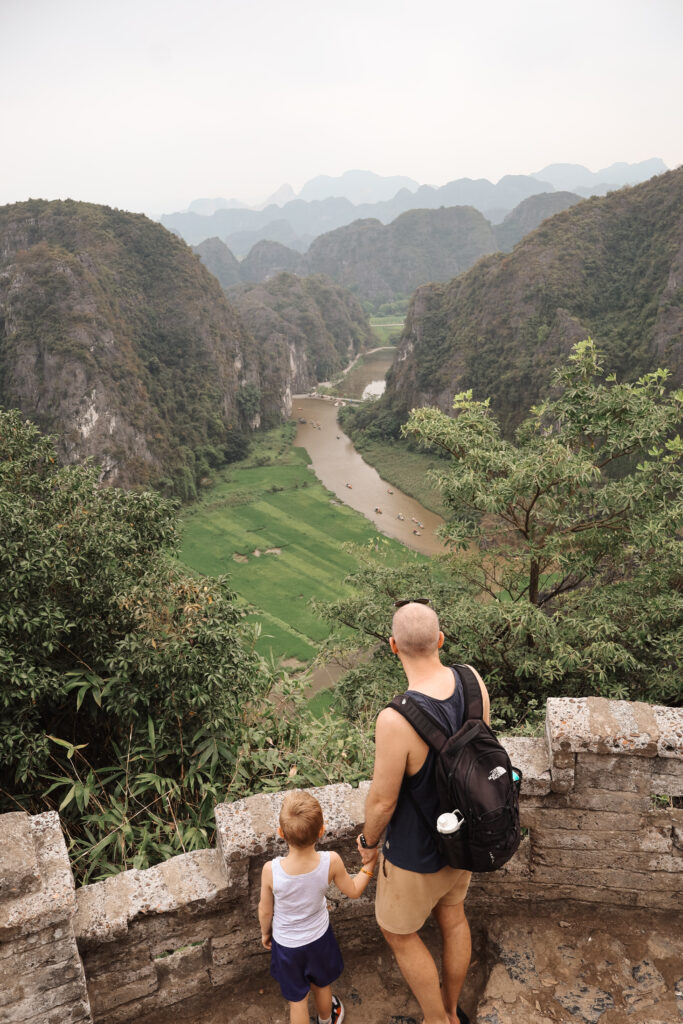
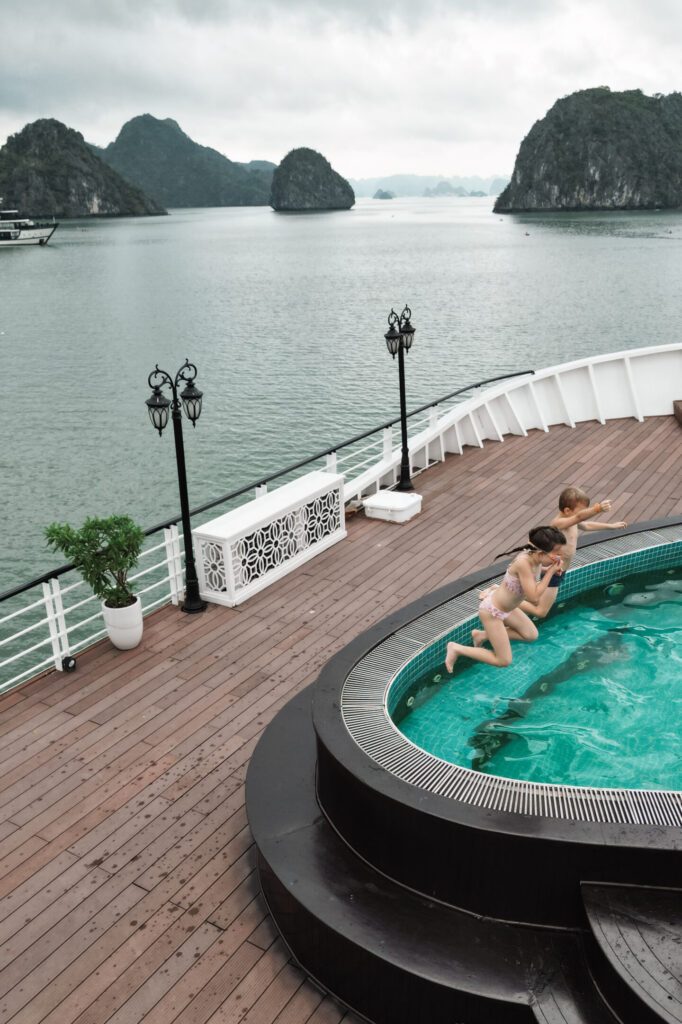
In het noorden van Vietnam, waar je steden zoals Hanoi, Ninh Binh en Sapa vindt, heb je echt vier seizoenen. De mooiste periode is van maart tot mei en van september tot oktober. In deze maanden is het niet te heet en heb je vaak het mooiste zicht op de natuur. Vooral de rijstvelden in Ninh Binh zijn in deze periodes intens groen, wat echt het beeld is dat je vaak van Vietnam ziet. In de winter kan het wat koeler en mistig zijn, terwijl de zomer juist warm en vochtig is met kans op flinke regenbuien. Halong Bay is het hele jaar door indrukwekkend, maar je hebt het mooiste zicht in de drogere maanden wanneer de kalksteenrotsen echt uit het water lijken te rijzen zonder mist of regen.
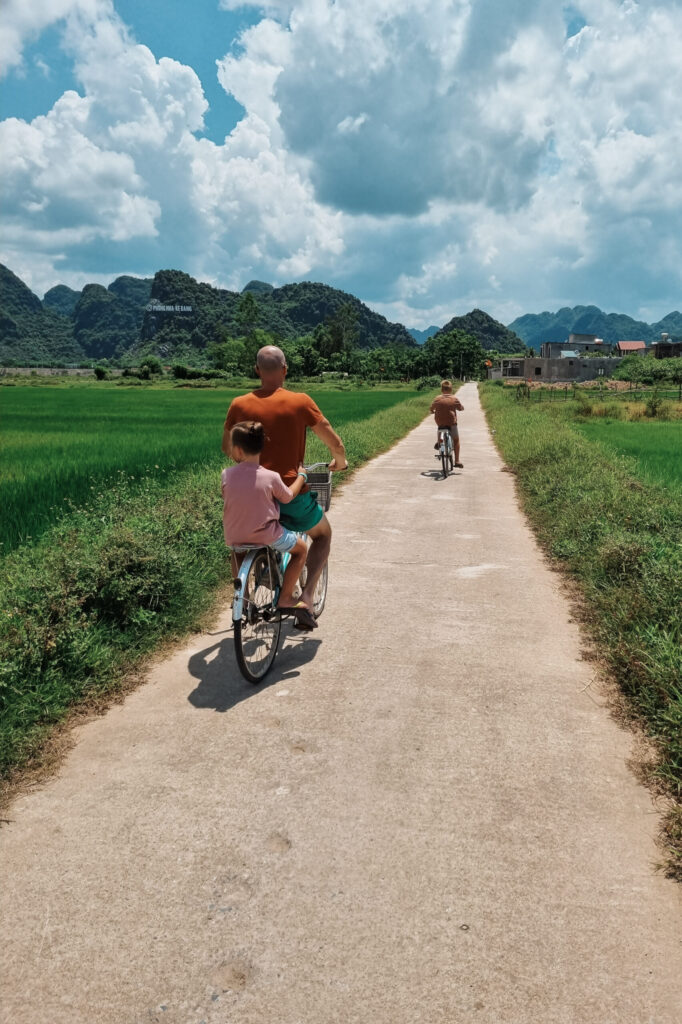
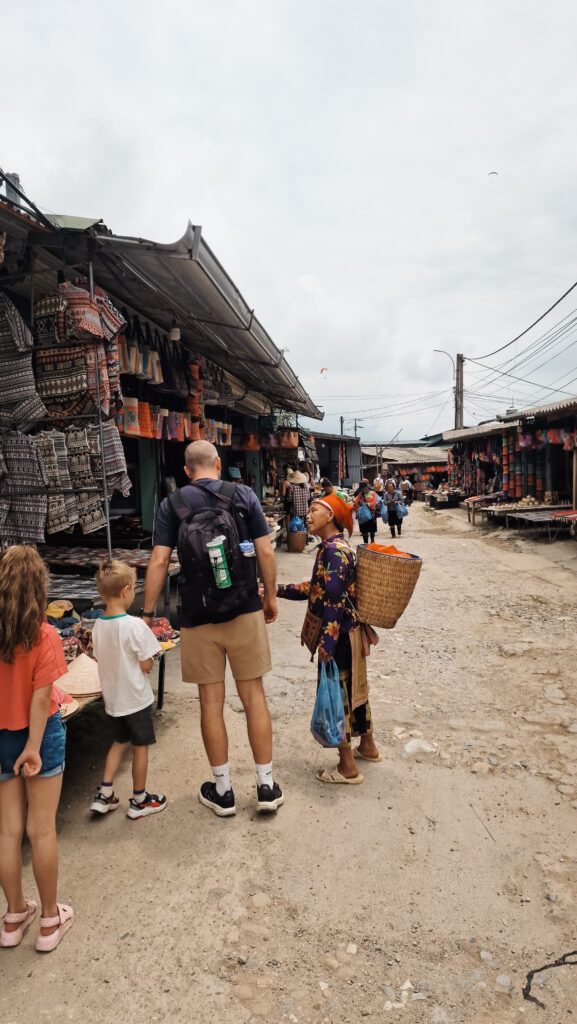
We ourselves traveled there during the May holiday period (late April to early May), which gave us a good impression of this variation in weather. In the north, we actually had very pleasant travel conditions: around 27°C, warm enough to swim but not too hot for active days. We didn’t see much sun, but personally we didn’t find that a problem. We hardly had any rain.
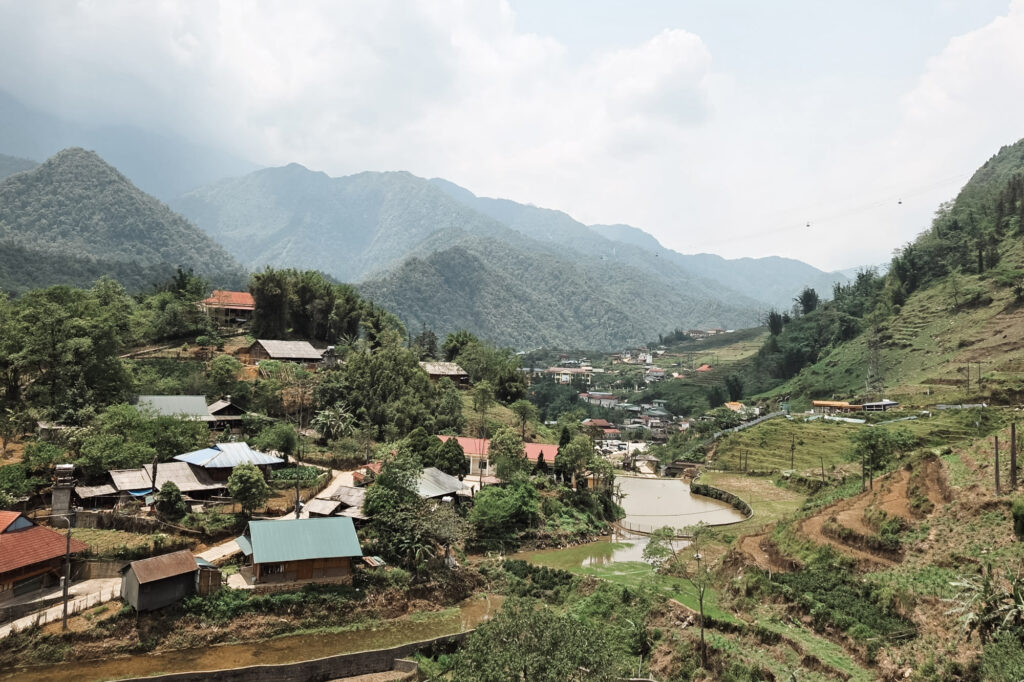
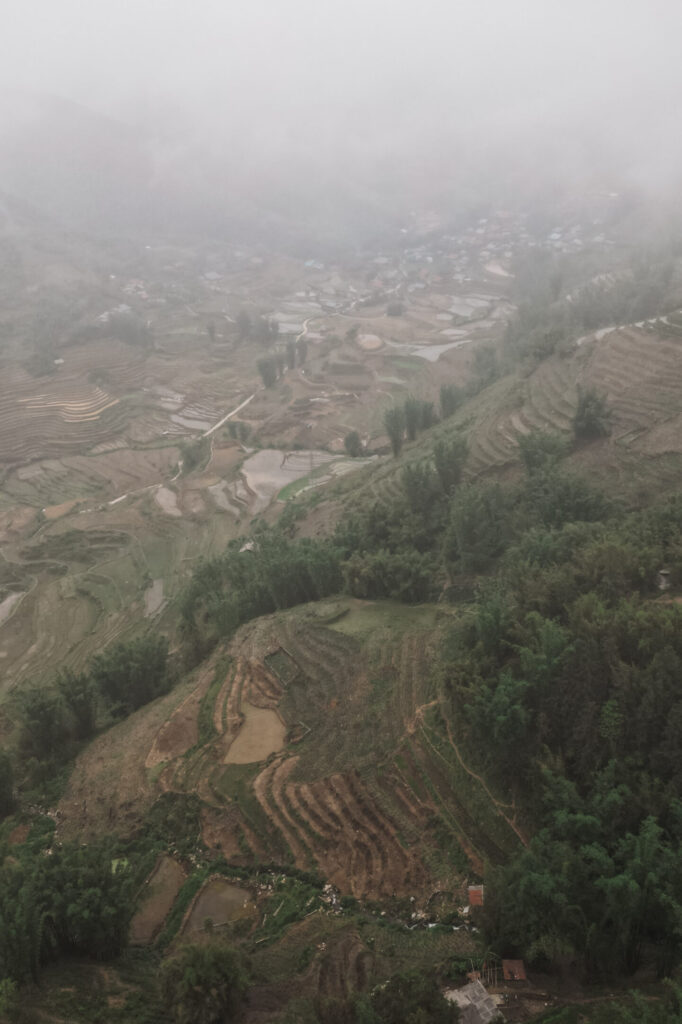
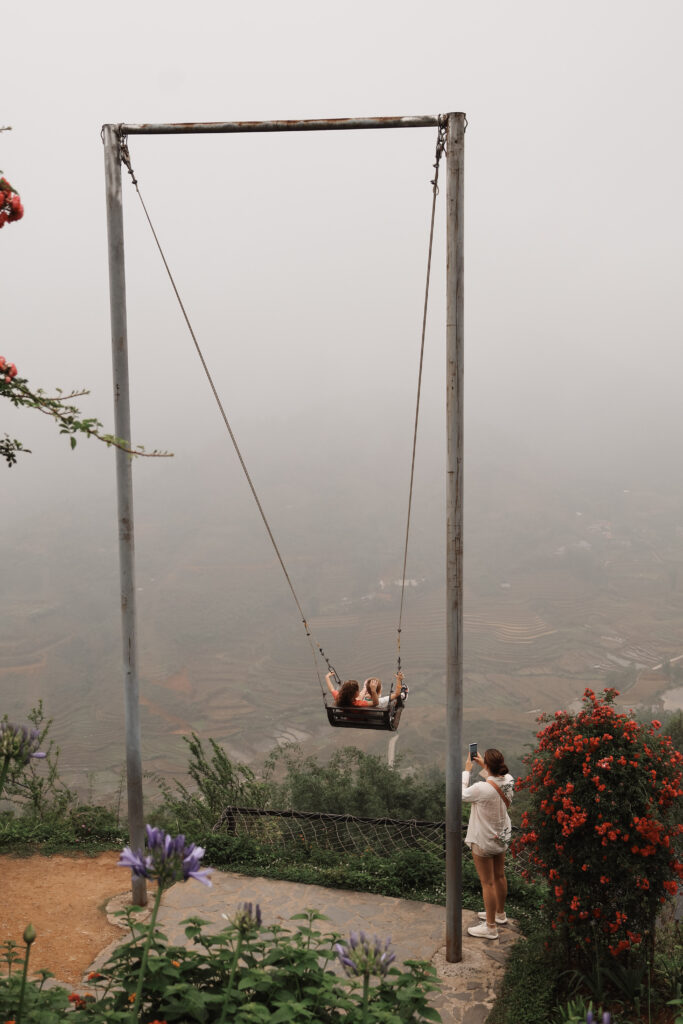
In Sapa was het weer duidelijk anders. Daar hing veel mist en het voelde een stuk frisser aan. We liepen daar regelmatig met een lange broek en trui, wat je vooraf misschien niet direct verwacht in Vietnam. Het was niet zozeer regenachtig, maar vooral heel vochtig, waardoor het landschap een hele mysterieuze sfeer kreeg.
Central Vietnam
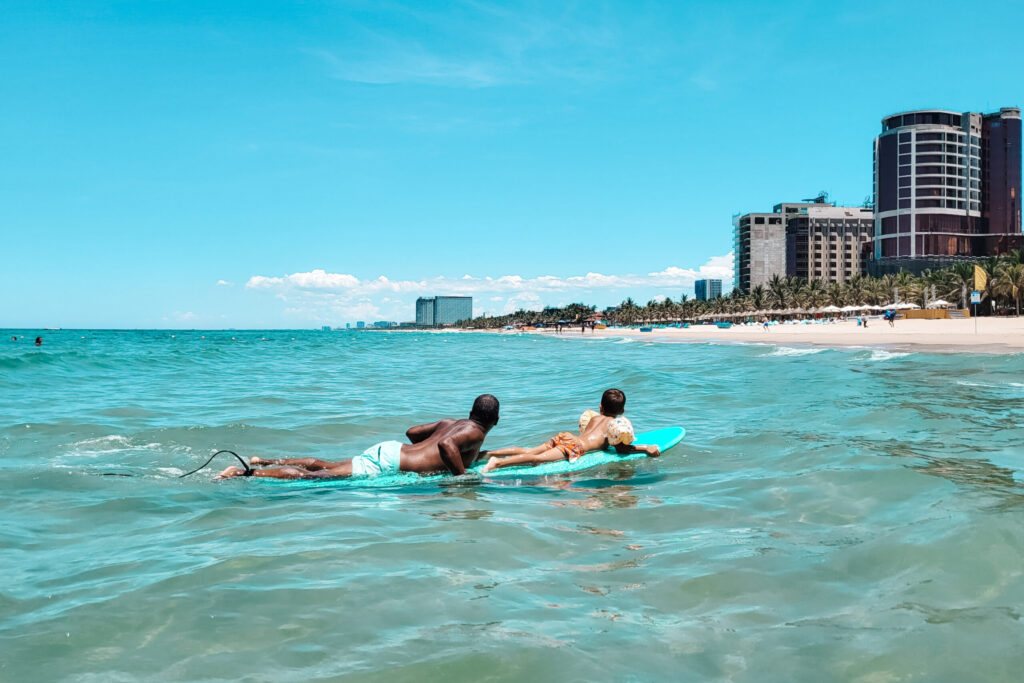
Central Vietnam, with places like Hoi An, Da Nang, and Hue, has a completely different rhythm. The best time to visit this region is from February to August. Especially in spring and early summer, you’ll enjoy sunny days and perfect beach weather. In autumn, there is a higher chance of rain and even typhoons, which can make this region less ideal during that period.
Southern Vietnam
In the south, where you’ll find Ho Chi Minh City and Phu Quoc, the climate is tropical with little variation in temperature throughout the year. The best time to visit is from November to April, which is the dry season. After that, the rainy season begins, but this often means short, heavy showers at the end of the day, so traveling is still very much possible.
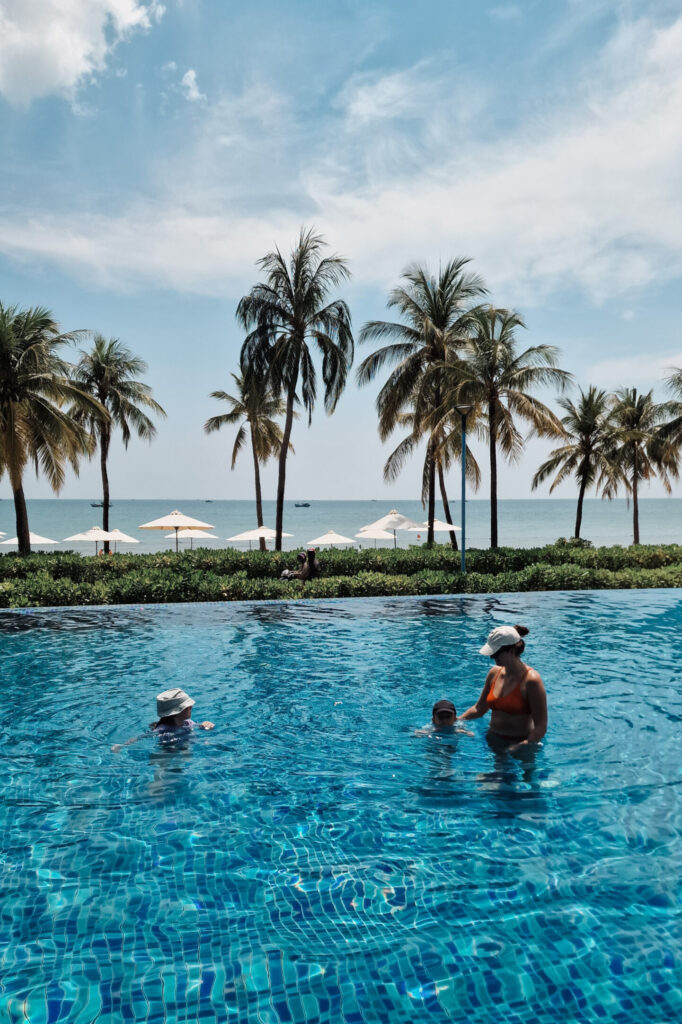
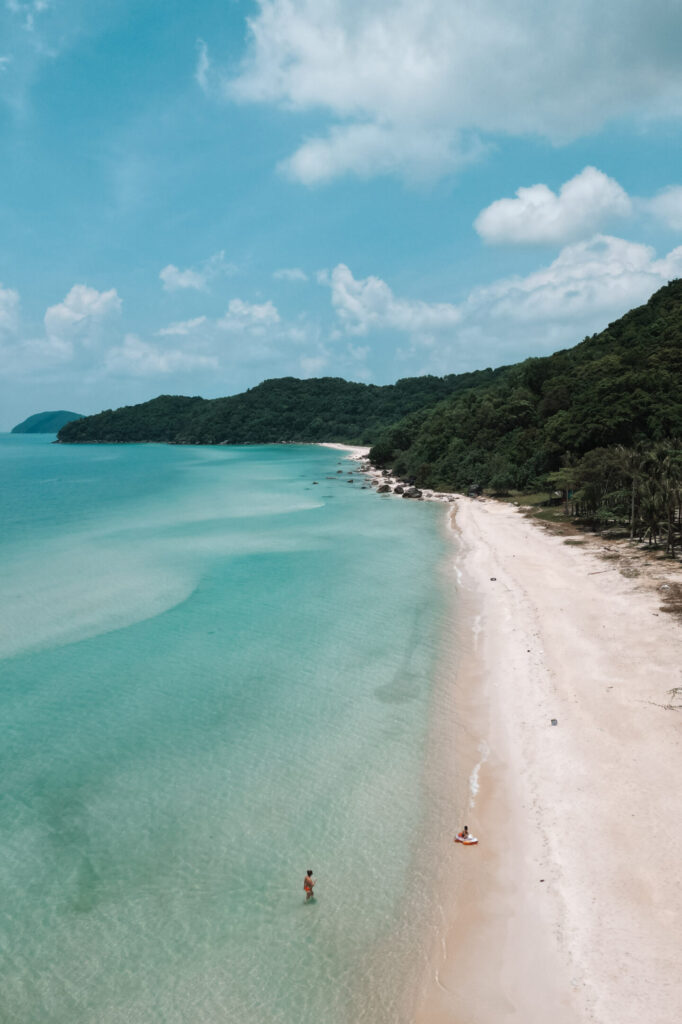
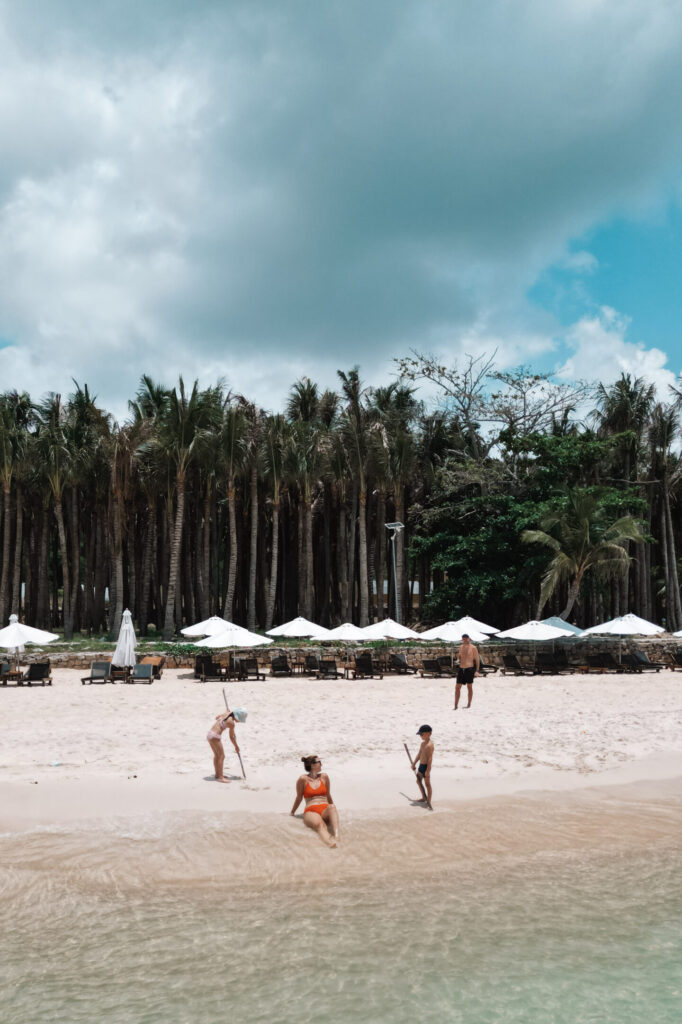
On Phu Quoc, we noticed this difference very clearly. It was really hot there — sometimes even too hot to be very active during the day, especially after an intense week and a half of traveling. It was therefore mainly a place to slow down and enjoy the beach and pool. You also burn much faster than you think here, so sunscreen is essential. For children, a UV swim suit is definitely recommended, as well as a hat for time spent in and around the pool.
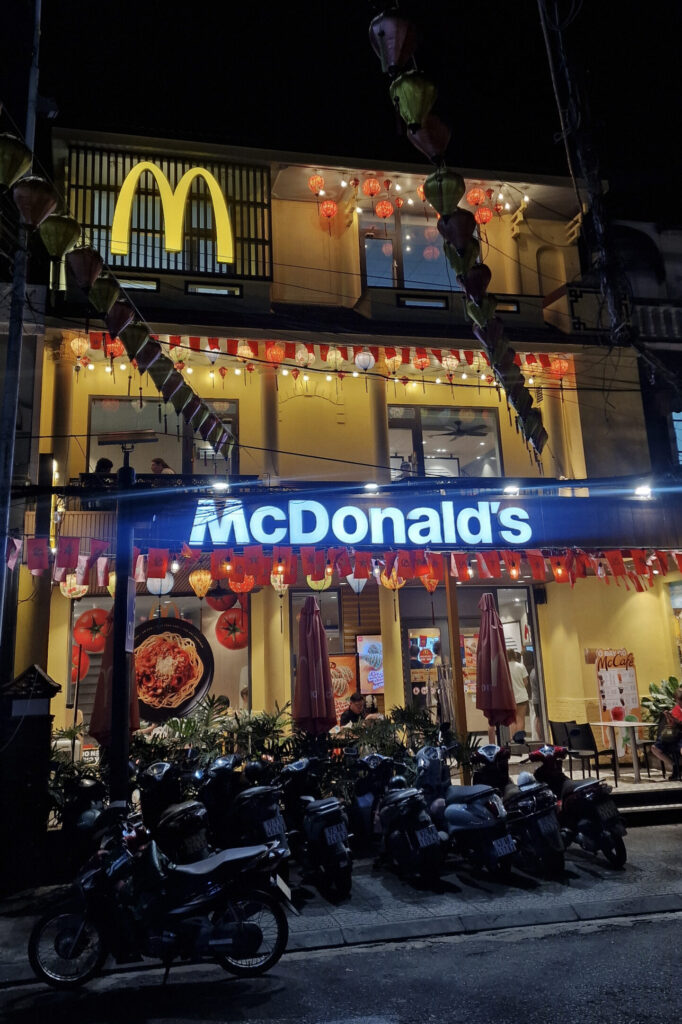
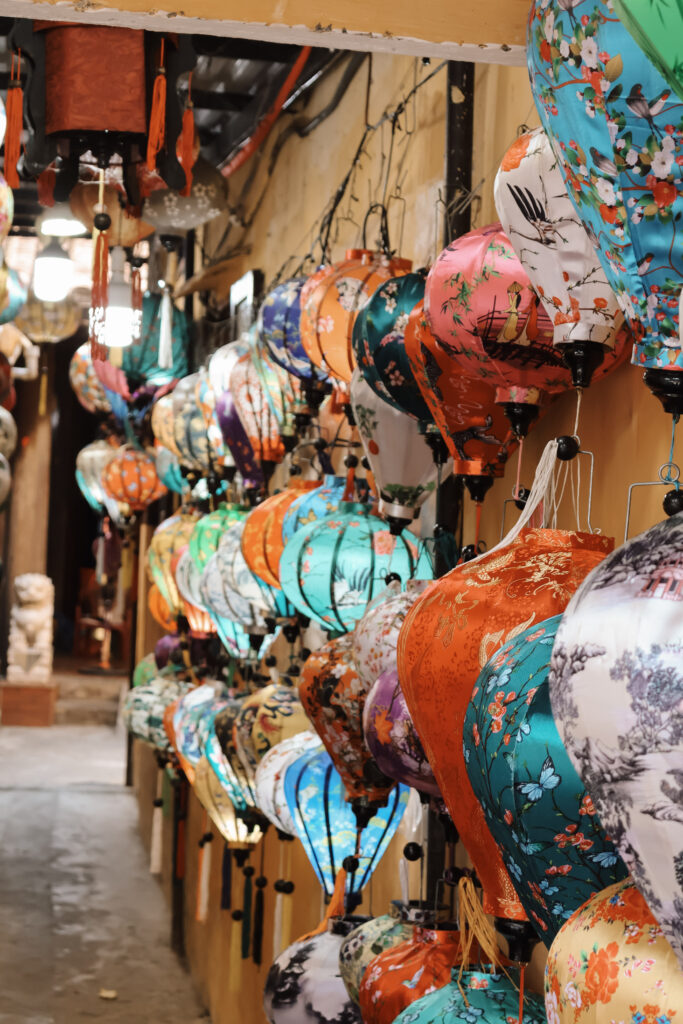
Hoi An was nicely in between again. It was warm, but more manageable thanks to the shade in the city and the option to wander through the lantern-lit streets in the evening. That made it a really lovely place to end the trip.

Our experience
During our trip, we especially noticed how big the differences within one country can be. The north was mild and ideal for active travel, while the south was much hotter and more focused on relaxation. That’s exactly what makes Vietnam so special, but also something to keep in mind when planning your route.
How long do you need for Vietnam with kids?
For Vietnam with kids, 2 to 3 weeks is really ideal. The country is large and distances are longer than they look on the map, so trying to see too much can quickly make the trip tiring. With 2 weeks, you can make a nice selection, for example the north plus a part of central or southern Vietnam. With 3 weeks, you have enough time for a full round trip without rushing, like we did.
The most important thing is the pace. When traveling with kids, Vietnam works best if you don’t change locations too often. It’s better to truly experience a few destinations than to pack up and move every two days.
👉 In our Vietnam family itinerary, you can see exactly how we planned our 2.5-week trip.
Transport in Vietnam with Kids
Traveling through Vietnam with kids is surprisingly doable, but it works quite differently than in Europe. Distances are larger than they appear on the map, and getting around sometimes requires a bit more planning — especially with children.
Domestic flights
For longer distances, domestic flights are often the best option. Vietnam is a long and narrow country, so flying can save you a huge amount of travel time. For example, we chose to fly from Hanoi to Phu Quoc, which made our itinerary much more relaxed. As a general rule, we usually opt for flying when overland travel takes more than around 8 hours. With kids, that’s simply much more comfortable and efficient.
Private transport
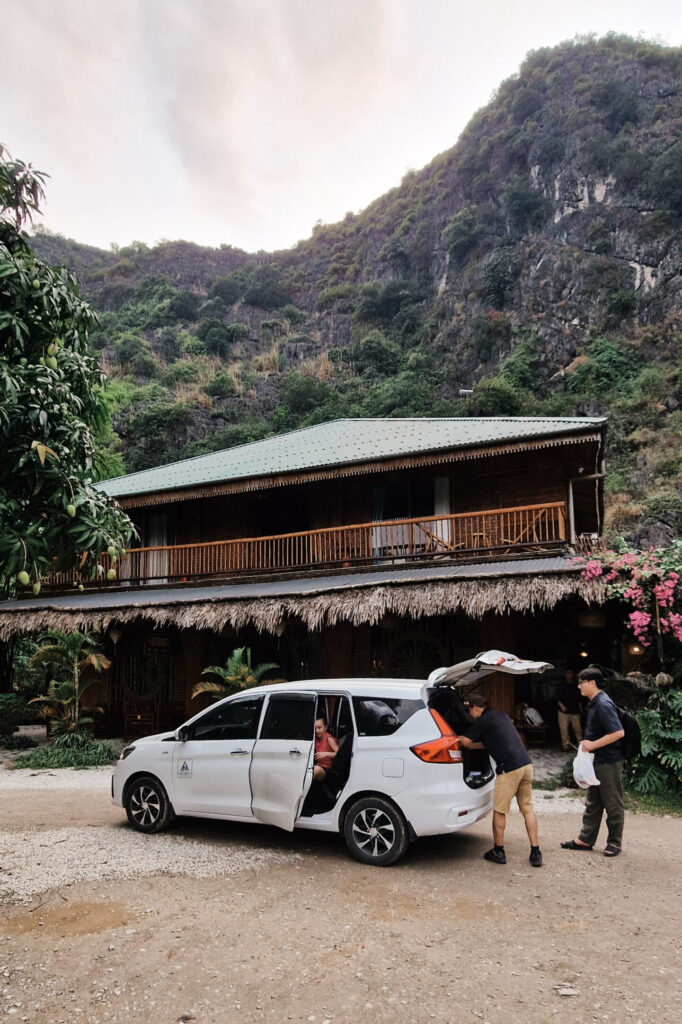
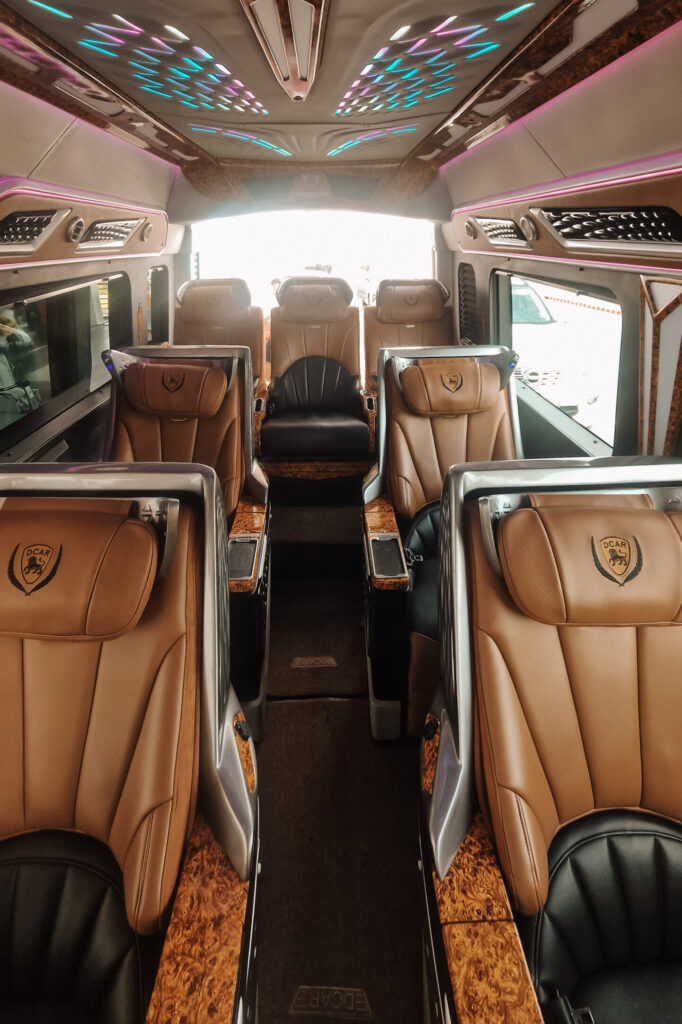
For transfers between cities, we also regularly used private transport via TravelThru. I often get questions from parents traveling long-haul with kids for the first time who prefer having everything arranged in advance. That’s very understandable — you don’t want to figure everything out on the spot or depend on apps and bargaining.
TravelThru is a great solution for that: you book your transport in advance, know exactly what you’ll pay, and travel comfortably from A to B. Especially for longer or more intensive journeys, we found this to be highly recommended when traveling with children.
Grab
One of the best tips for traveling in Vietnam with kids is Grab. In cities like Hanoi and Hoi An, Grab works really well. It’s the Asian version of Uber and ideal when traveling with children. It’s affordable, safe, and super easy to use. You see the price upfront, don’t need to negotiate, and can order a ride instantly. That makes getting around busy cities much more relaxed.
Trains and night buses
Trains in Vietnam are also an option and are used by some families, as are night buses. We usually don’t choose this ourselves, mainly because we find it important that the children can sleep properly at night and that the journey isn’t too exhausting. Traveling itself is already quite intense.
That said, we’ve heard from other families that this can be a practical way to save costs and reduce daytime travel time, since you travel overnight and don’t need an extra hotel night. If you choose this option, it’s important to pay attention to reliable and well-reviewed companies, especially for buses, as quality can vary quite a bit.
Is Vietnam kid-friendly?
Vietnam is definitely kid-friendly, but in a different way compared to places like Thailand or Bali. It’s less focused on children in terms of playgrounds, kids’ clubs, or dedicated family facilities, but children are warmly welcomed everywhere. In general, kids are simply accepted and greeted kindly in Vietnam, which makes traveling as a family very pleasant, even if the infrastructure isn’t always specifically designed for families.
We had often heard in advance that Vietnam would be extremely kid-friendly, but in our experience that didn’t feel overly present everywhere. Children are certainly treated kindly and are welcome everywhere, but it’s not as pronounced or exaggerated as you might experience in countries like Morocco. It’s more subtle: friendly, respectful, and helpful, without constantly being focused on children. What we did notice is that Vietnamese people always smile at children, sometimes wave or briefly engage, which makes traveling very pleasant and relaxed. So it feels more like “naturally friendly” rather than specifically designed for families.
Food in Vietnam with kids
Eating in Vietnam with kids is much easier than many people expect beforehand. Vietnamese cuisine is fresh, varied, and often not as spicy as you might think, making it very accessible for families. Besides well-known dishes like pho (noodle soup) and spring rolls, you’ll find simple and kid-friendly options everywhere, such as rice, noodles, eggs, and sandwiches. In tourist areas, there is also a wide range of Western food available, which makes things even easier for picky eaters.
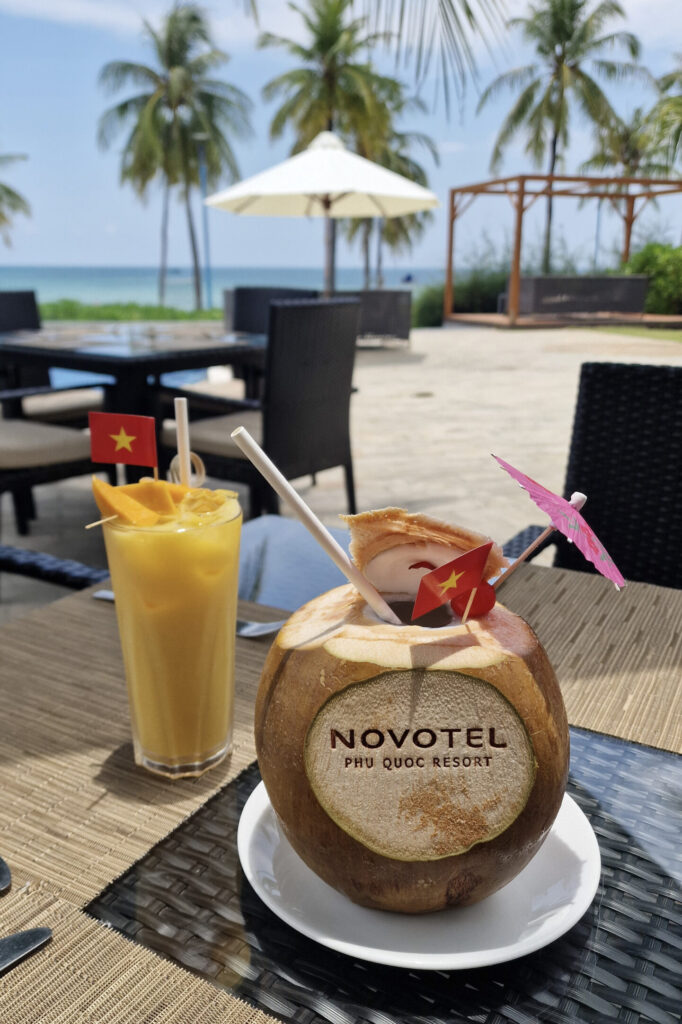
What we noticed during our trip is that there is always something available that children will eat. Think fries, a simple egg with cucumber, rice dishes, or toast in hotels. Western options are definitely widely available — something that is often underestimated. During our trip, our kids mainly ate rice, noodles, rice again, cucumber, eggs, and occasionally pizza or fries. Ice cream and mango smoothies were also big favorites along the way. Those simple things really make eating relaxed while traveling.
Street food
Street food in Vietnam is truly an experience in itself and often incredibly tasty, but we usually made a conscious choice to go for places that were busy, looked clean, or had good reviews. That gives a bit more confidence, especially when traveling with children. Freshly prepared dishes that are well heated and food stalls where many locals eat are often a good indicator of quality.
Health & hygiene in Vietnam with kids
In terms of hygiene, Vietnam is perfectly manageable with children, as long as you follow a few basic guidelines. It’s not a destination where you need to constantly worry, but being a bit mindful about food and drinks definitely helps.
Food and drinks
Tap water is not safe to drink in Vietnam, which is standard across much of Asia. Bottled water is widely available and inexpensive, so this is never an issue while traveling.
Ice cubes are a topic many people ask about. In good restaurants and hotels, they are nowadays usually made from filtered or bottled water. We used them regularly without any problems. That said, if you’re unsure, it’s always fine to skip them or ask. Locals are generally aware that tourists can be cautious about tap water.
Where you may want to be a bit more careful is with raw or unwashed food. Think of salads, for example, which are often washed under tap water. It’s therefore safest to eat fruit you can peel yourself or dishes that are thoroughly cooked.
Vaccinations
For vaccinations, DTP and hepatitis A are often recommended, but this always depends on your personal situation and travel route. Before departure, we usually visit the GGD for advice or use a service like Reisprik, so we can be sure everything is properly tailored to our trip.
The sun
Protection from the sun is really important as well. The sun in Vietnam is stronger than you might expect, even on cloudy days. Good sunscreen is a must, and for children a UV swim suit and a hat for around the pool or beach are definitely recommended.
Money & payments in Vietnam
In Vietnam, the currency used is the Vietnamese dong. In tourist areas you can often pay by card, but cash is still very important while traveling. In practice, you’ll notice that you can’t pay everywhere by card, especially not in smaller restaurants, local shops, or with taxis. That’s why it’s useful to always carry enough cash with you. Fortunately, withdrawing money is easy: you’ll find ATMs in almost every city and tourist area, so there’s no need to bring large amounts of cash from home.
We usually just withdrew money locally and paid in cash afterwards. That worked well everywhere. Vietnam is also very affordable, especially compared to Europe. Food and local transport in particular are very cheap, which means your daily expenses are relatively low. For a full breakdown of costs, you can check our separate blog about the cost of traveling Vietnam with kids.
Internet in Vietnam
Internet in Vietnam is surprisingly easy to arrange and actually essential when traveling with kids. Instead of buying a physical SIM card at the airport, we always choose an eSIM. An eSIM can be installed on your phone before departure, so you’re online immediately upon arrival in Vietnam. This is especially convenient with children, as you instantly have access to Google Maps, Grab, and communication with your accommodations without having to deal with local shops or airport queues.
During our trip, we used the internet constantly throughout the day. It’s truly an essential tip for traveling Vietnam with kids: for booking Grab taxis, navigating busy cities like Hanoi and Hoi An, checking routes, and of course for a bit of entertainment during longer taxi rides 😉
The big advantage of an eSIM is that you don’t need to swap a physical SIM card, you can arrange everything in advance, and you’re connected immediately as soon as you land. It’s also often affordable and flexible, especially compared to buying local SIM cards.
Safety in Vietnam with kids
Vietnam generally feels safe to travel in with children. Traffic can take some getting used to, especially in big cities like Hanoi and Ho Chi Minh City, where scooters seem to be everywhere around you. It may look chaotic at first, but surprisingly, you adapt to it quite quickly.
Crossing the street
Crossing the street is probably the best example of this. You don’t hesitate or wait for a perfect gap, but instead you walk calmly and predictably. What worked really well for us was simply walking at a steady pace and, if needed, slightly raising your hand. Don’t stop, don’t hesitate — and you’ll notice that traffic actually adjusts to you. For the kids, this even became a bit of an “adventure” in itself.
Apart from that, we never felt unsafe anywhere during our trip. Vietnam feels like a country where you can move around freely as a family, as long as you stay aware in traffic and use common sense, just like you would in any busy destination.
Daily routine with kids
One of the most important tips for traveling Vietnam with kids is your daily schedule. We found that it worked best to get an early start, so you avoid both the crowds and the heat. In the afternoon, a pool or a quiet rest moment is absolutely golden. Later in the day, we often went out again for dinner or a walk, when it was a bit cooler and calmer. This rhythm really makes traveling in Vietnam much more enjoyable with children.
Common mistakes when traveling Vietnam with kids
One of the biggest mistakes you can make during a Vietnam family trip is trying to see too much in too little time — an important one to keep in mind. The country may look compact on the map, but in reality, travel times are often longer and more intense than you expect. Overland distances in particular are often underestimated, which can make traveling more tiring than planned. Especially with children, this can put unnecessary pressure on your itinerary.
It’s also important to stay flexible. You never quite know how kids will respond to the pace, the heat, or a long travel day. Sometimes they simply need more rest, or don’t feel like going for a walk in the heat. We also noticed that it helps to go with the flow of the children’s rhythm, and let them — where possible — help decide what you do during the day.
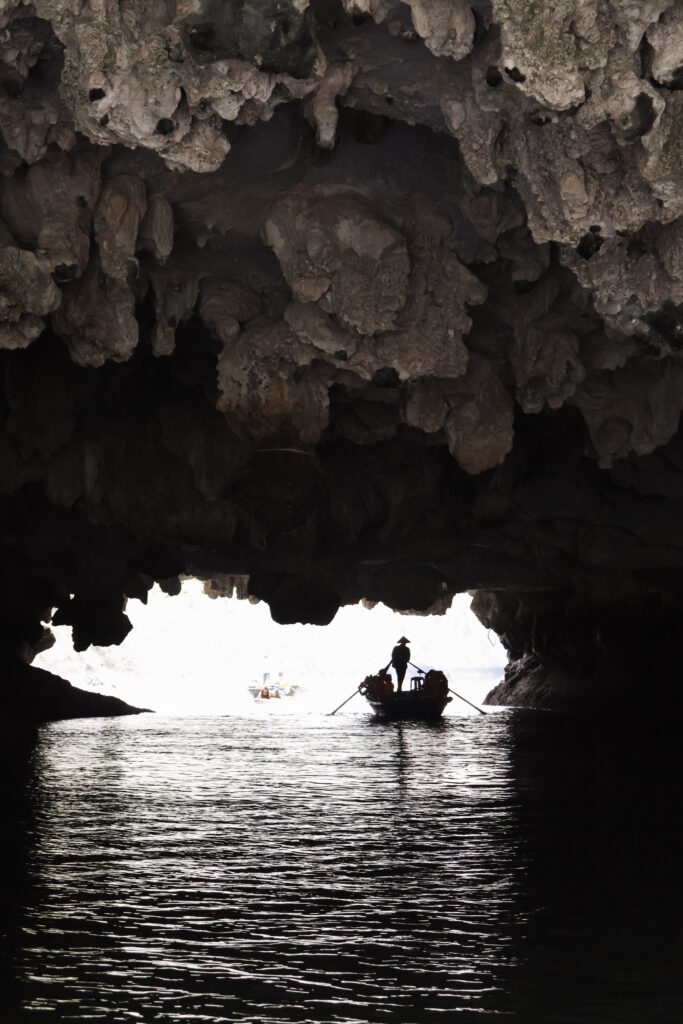
Bepaalde bestemmingen vragen ook om realistische verwachtingen. Sapa is bijvoorbeeld prachtig, maar niet altijd zoals de plaatjes doen vermoeden en sterk afhankelijk van het seizoen. En Halong Bay is echt een plek waar een 2-daagse cruise vaak veel fijner is dan een snelle dagtour, zeker met kinderen.
Finally, we often see families not planning enough rest moments. Yet it’s exactly this balance between traveling and relaxing that makes the trip enjoyable and sustainable for the whole family.
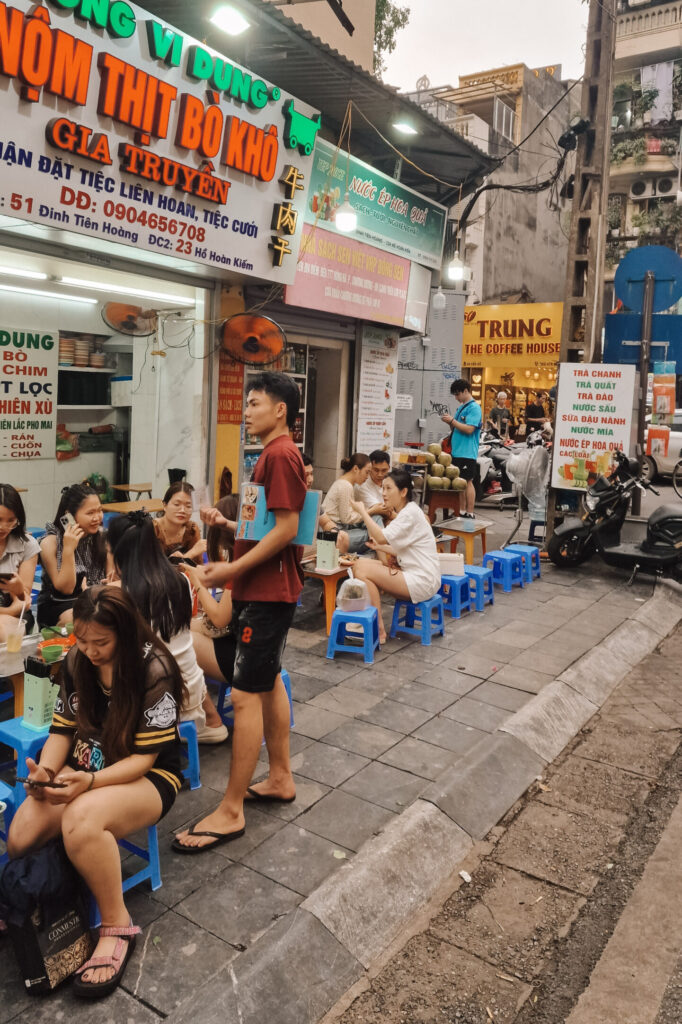
How to plan a Vietnam round trip with kids
A Vietnam family trip can be planned in different ways: completely on your own, fully outsourced, or something in between. The best option mainly depends on how much time, experience, and flexibility you want during your trip.
We’ve always planned our trips ourselves. It gives a lot of freedom to adjust your route and make choices that really fit your family. We usually book flights via Skyscanner and accommodations through Booking.com. Activities are often arranged via GetYourGuide. For transport, we often keep things flexible on the spot, although during this trip we also pre-booked part of our route via TravelThru, which worked really well with kids and gave extra structure. That combination of independent planning and pre-arranged transport gave us a good balance between freedom and peace of mind during the trip.
Prefer to have everything arranged in one go? TUI offers complete packages for a hassle-free holiday. Looking for more flexibility and want to customize your trip? Check out Riksja where you can build your own ideal trip using travel modules.
Still exploring options for a family-friendly holiday? On our homepage, you’ll find an overview of popular destinations for families.